The Breed
The Dachshund — The Breed We Love
Few breeds inspire the devotion, the lore, and the laughter that the miniature dachshund does. Long in body, large in heart, and endlessly complex in genetics — these little dogs carry centuries of history in every paw print.
Brave, loyal, and relentlessly opinionated — everything you should know before you fall in love with one.
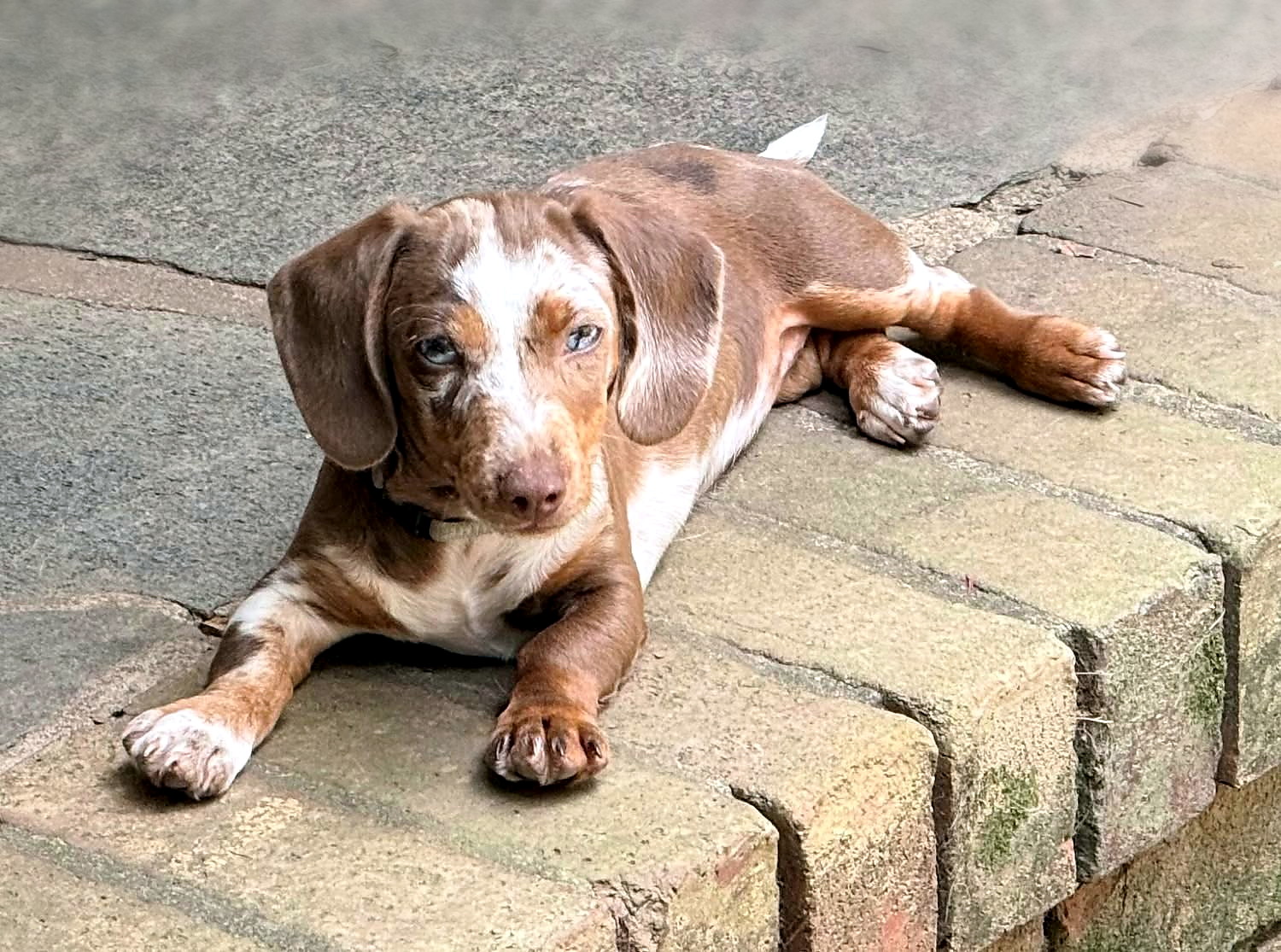 A Breed Born from Purpose
History & Origins
From the German Forest to Every Heartbeat
The dachshund — whose name translates literally as "badger dog" from German — was developed in Germany as early as the 15th century. Skilled hunters needed a dog fearless enough to pursue badgers into their underground dens, and the dachshund's elongated body, powerful front legs built for digging, and outsized courage made it perfectly suited for the task.
By the 17th and 18th centuries, German breeders had refined two size varieties: the standard, used for badger and wild boar, and the smaller miniature, developed to hunt rabbits and hare through narrower burrows. The miniature dachshund was officially recognized as a distinct variety and prized for its agility in tight underground passages.
The breed arrived in the United States in the late 1800s and was recognized by the American Kennel Club in 1885 — one of the earliest AKC-registered breeds. Though their hunting roots remain, today's miniature dachshunds have seamlessly transitioned into devoted family companions without losing an ounce of that spirited, independent character.
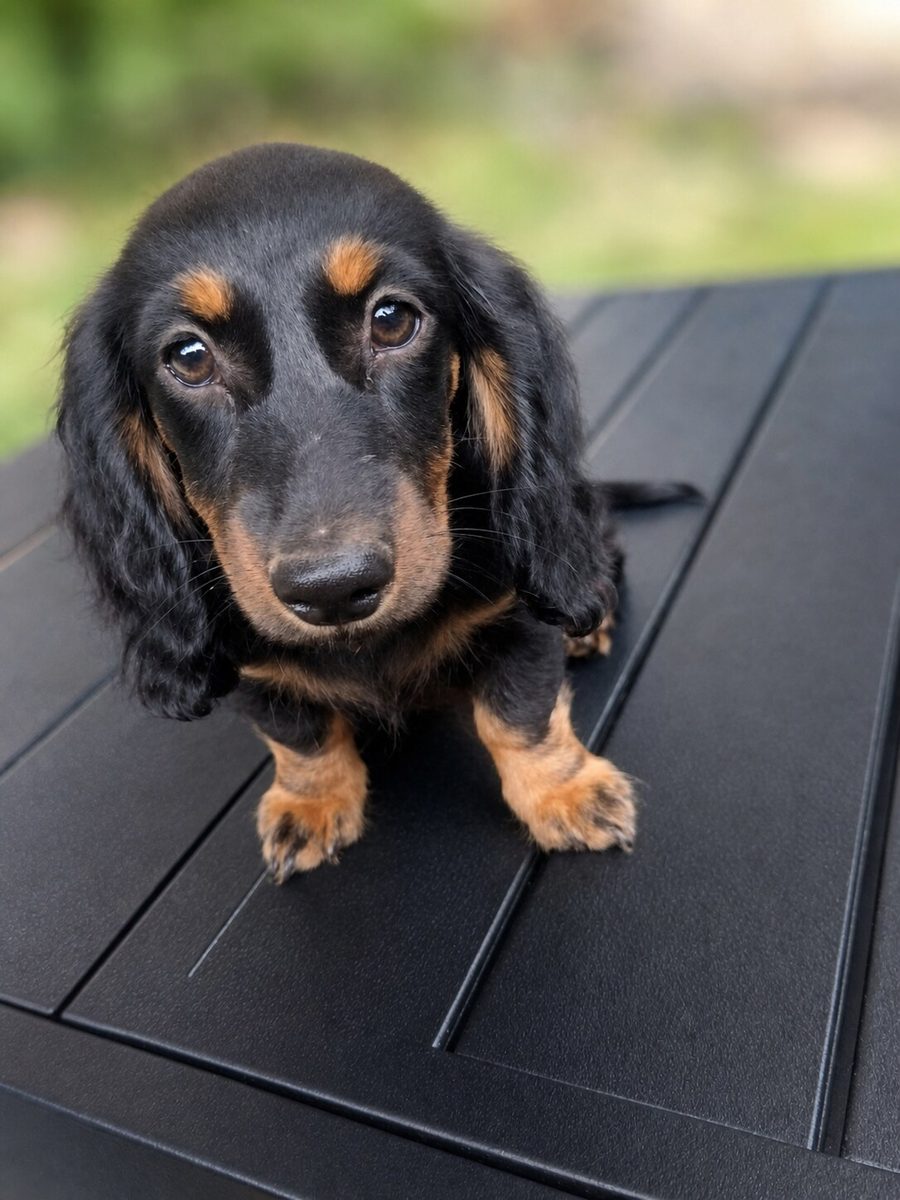 Three Distinct Coat Types
Coat Varieties
Smooth & Longhaired — The Two We Breed
The dachshund comes in three entirely distinct coat types, each with its own texture, maintenance needs, and subtle personality associations. At River Dachs we breed smooth and longhaired varieties.
Smooth-coated dachshunds have the sleek, shiny, low-maintenance coat most commonly associated with the breed. Their short fur lies flat, making them easy to groom and naturally clean. They tend to feel the cold more than other varieties and often appreciate a warm sweater in winter.
Longhaired dachshunds carry flowing, silky fur with elegant feathering on the ears, chest, and legs. The gene for the long coat was introduced through selective crossing with spaniels centuries ago. They require regular brushing to prevent tangles and are often described as the gentlest, most calm of the three varieties.
Wire-haired dachshunds sport a rough, bristly double coat with a distinctive beard and eyebrows, the result of terrier influence. They are frequently the most playful and mischievous of the three — but this variety is not part of our program.
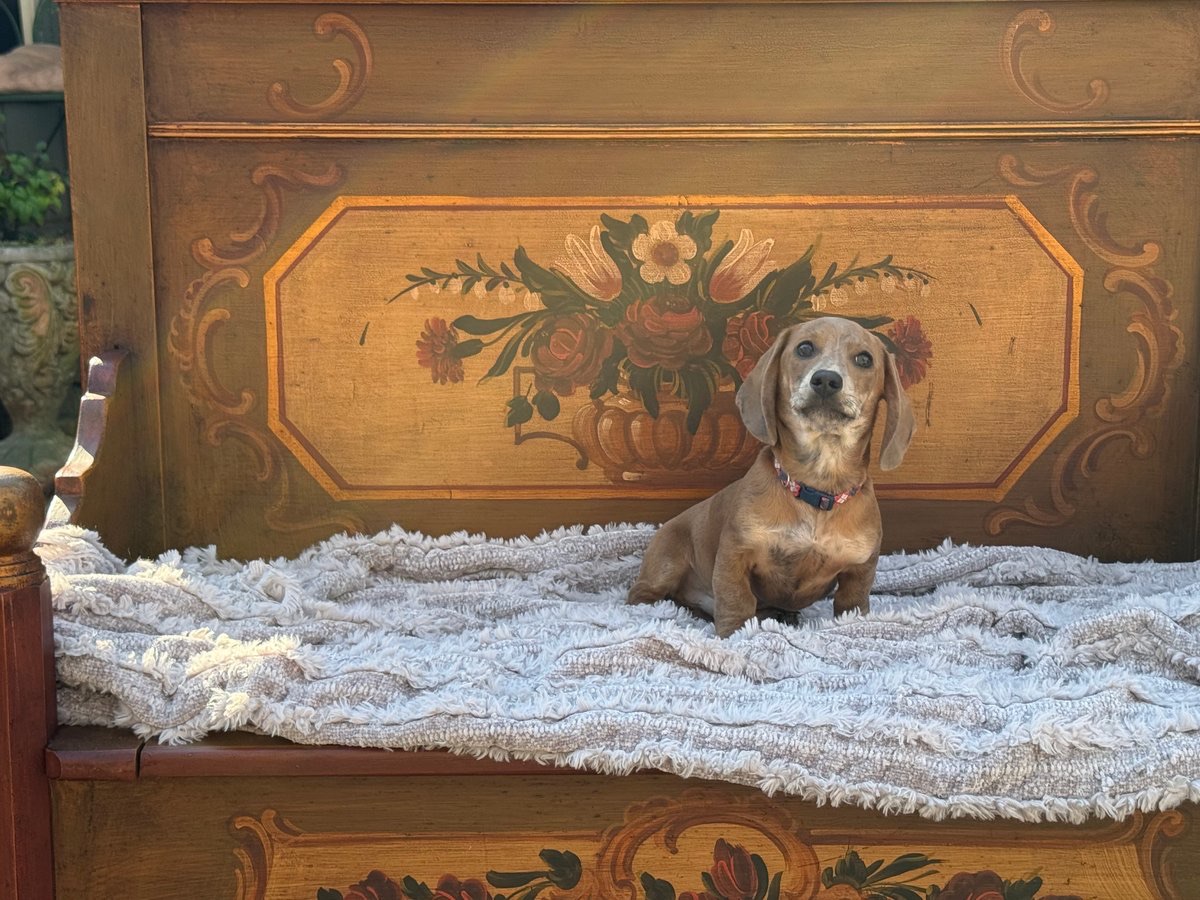 Colors & Patterns
Colors & Patterns
America vs. the World — A Tale of Two Standards
The colors and patterns recognized in the dachshund world differ meaningfully between the United States and much of Europe — particularly Germany, where the Dachshund Club (Teckelklub) maintains a stricter breeding standard.
In the US, the AKC recognizes a broad palette including red, cream, chocolate and tan, black and tan, blue and tan, fawn (isabella), and various combinations with the dapple, brindle, sable, and piebald patterns. Colors like the "English cream" — a rich, pale golden — are highly prized.
In Germany and much of Europe, the standard is considerably more conservative. Double dapple matings are strictly prohibited due to vision and hearing risks. American breeders serious about health and genetics increasingly align with European standards voluntarily — DNA testing, health screening, and transparent genetic disclosure are hallmarks of ethical programs on both continents.
The dachshund's genetics are among the most layered and intricate of any breed — a living puzzle of dominant and recessive genes that make every litter a carefully considered decision.— River Dachs Breeding Philosophy
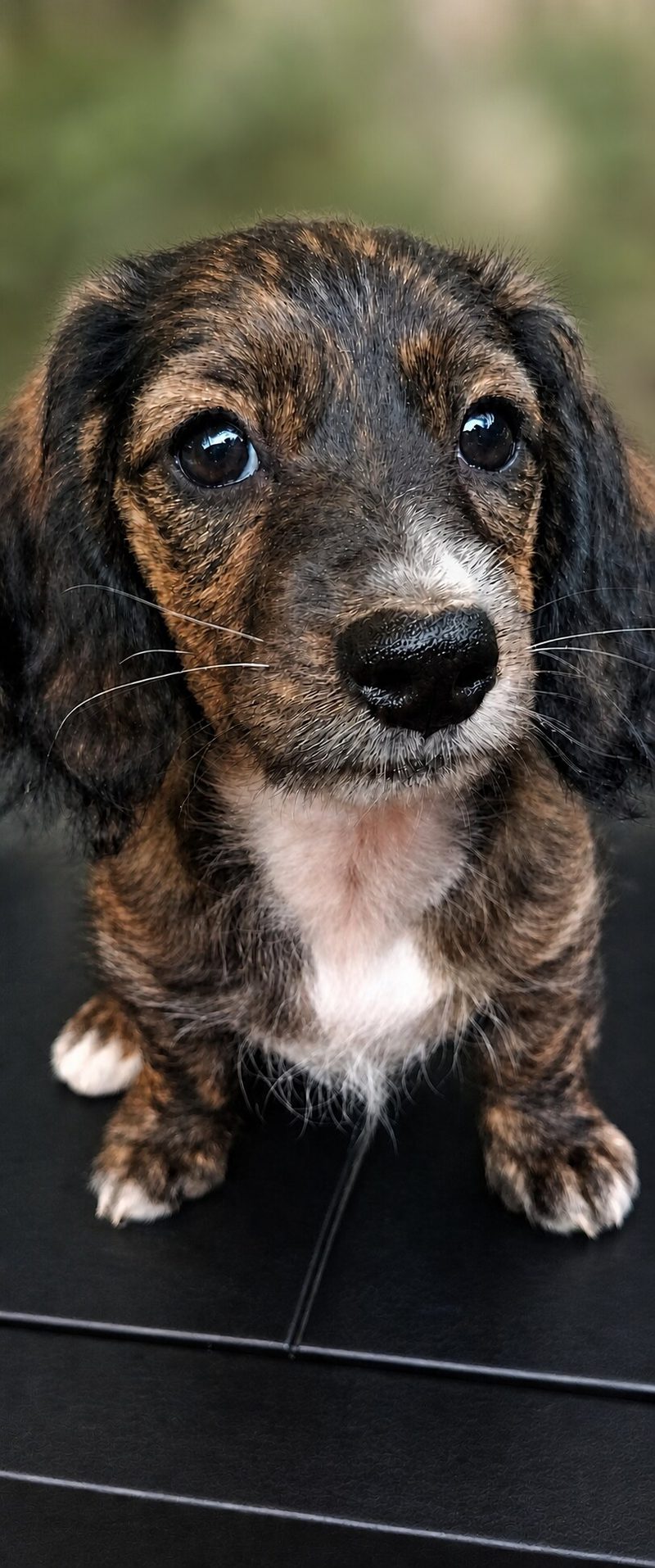 The Genetic Puzzle
Genetics & DNA
The Complicated, Captivating World of Dachshund DNA
If you've ever wondered why two red dachshunds can produce a chocolate and tan puppy, or how a breeder predicts the odds of piebald in a litter, the answer lies in one of the most intricate genetic systems in the dog world.
Dachshund color and coat genetics operate across several independent gene loci — the A series (agouti), B series (chocolate), D series (dilute), E series (extension/cream), K series (dominant black), and the M series (merle/dapple) — each with dominant and recessive alleles that stack and interact to produce the final appearance.
A "red" dachshund may carry hidden recessive genes for chocolate, cream, or dapple — invisible in that dog but passed to offspring. This is why responsible breeders DNA-test: to know what's truly in the genome, not just what the eye can see. A dog can be a clear solid red on the outside and carry one copy of piebald, one copy of dapple, and two copies of the chocolate gene — all invisible until the right pairing reveals them.
At River Dachs, we panel-test every breeding dog through Embark and map out the genetic implications of every planned pairing before a breeding decision is made.
 Big Personality, Small Package
Personality & Temperament
Brave, Bold, Devoted — and a Little Stubborn
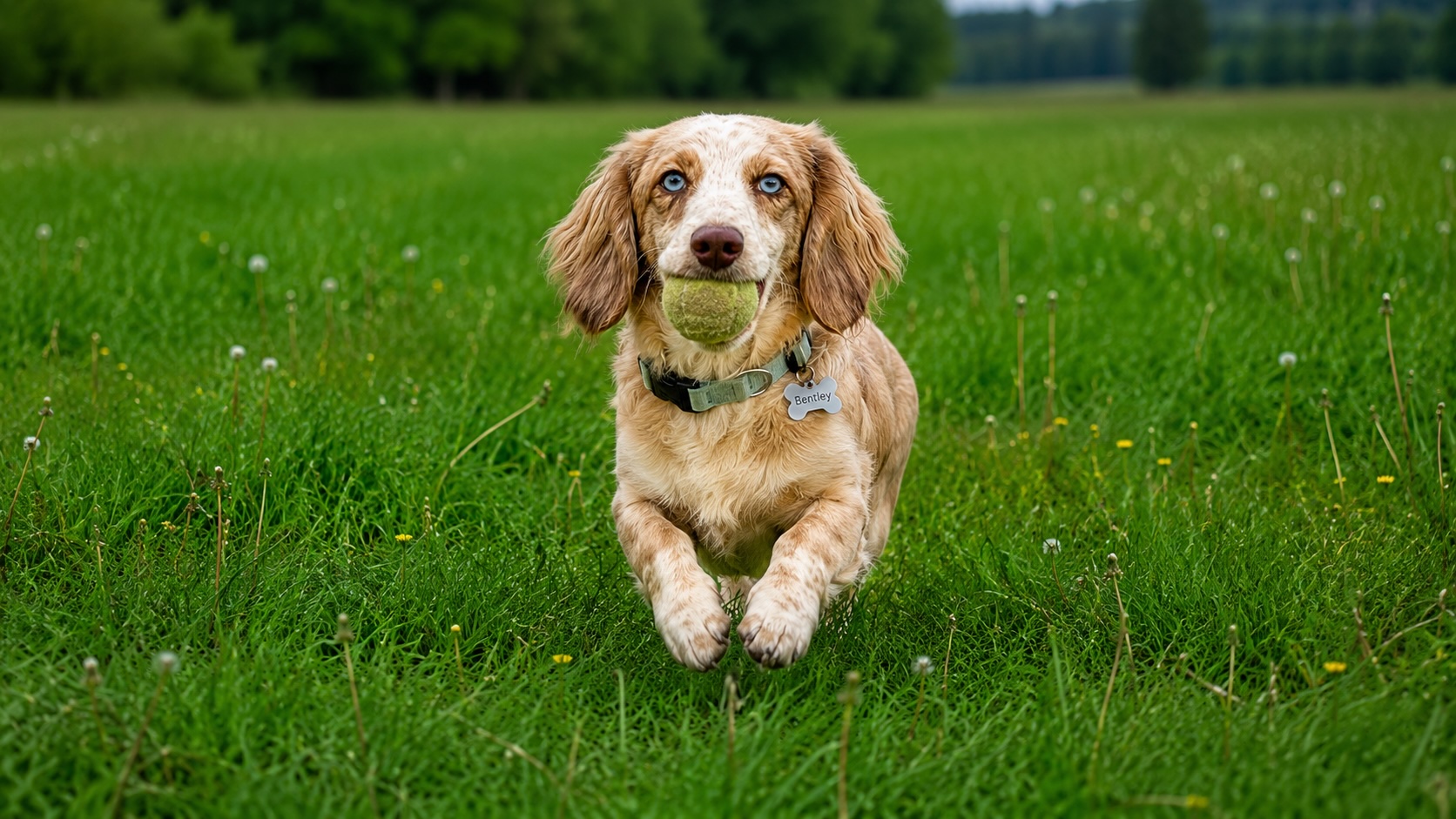
Ask any dachshund owner and they'll tell you: this is not a small dog in a small dog's body. The dachshund carries the confidence and tenacity of a much larger breed, compressed into a compact, expressive frame that has a way of filling every room it enters.
Dachshunds are famously devoted to their people — often bonding intensely with one or two primary humans and following them from room to room. They are affectionate, love to cuddle (burrowing under blankets is practically instinctual), and can be surprisingly gentle with children when properly socialized from an early age.
Their intelligence is real and sometimes inconvenient. Dachshunds were bred to think independently underground, out of sight of their hunters — which means they have a well-developed sense of their own judgment. They respond beautifully to reward-based training, but they don't do it to please you the way a golden retriever might. They do it because they've decided it's worth their while.
They are vocal dogs — alert barkers who take their watchdog role seriously despite their size. But their humor, their expressiveness, and the depth of their loyalty make up for every moment of their considerable stubbornness.
 Health & Longevity
Health & Care
Long-Lived and Lively — With a Few Considerations
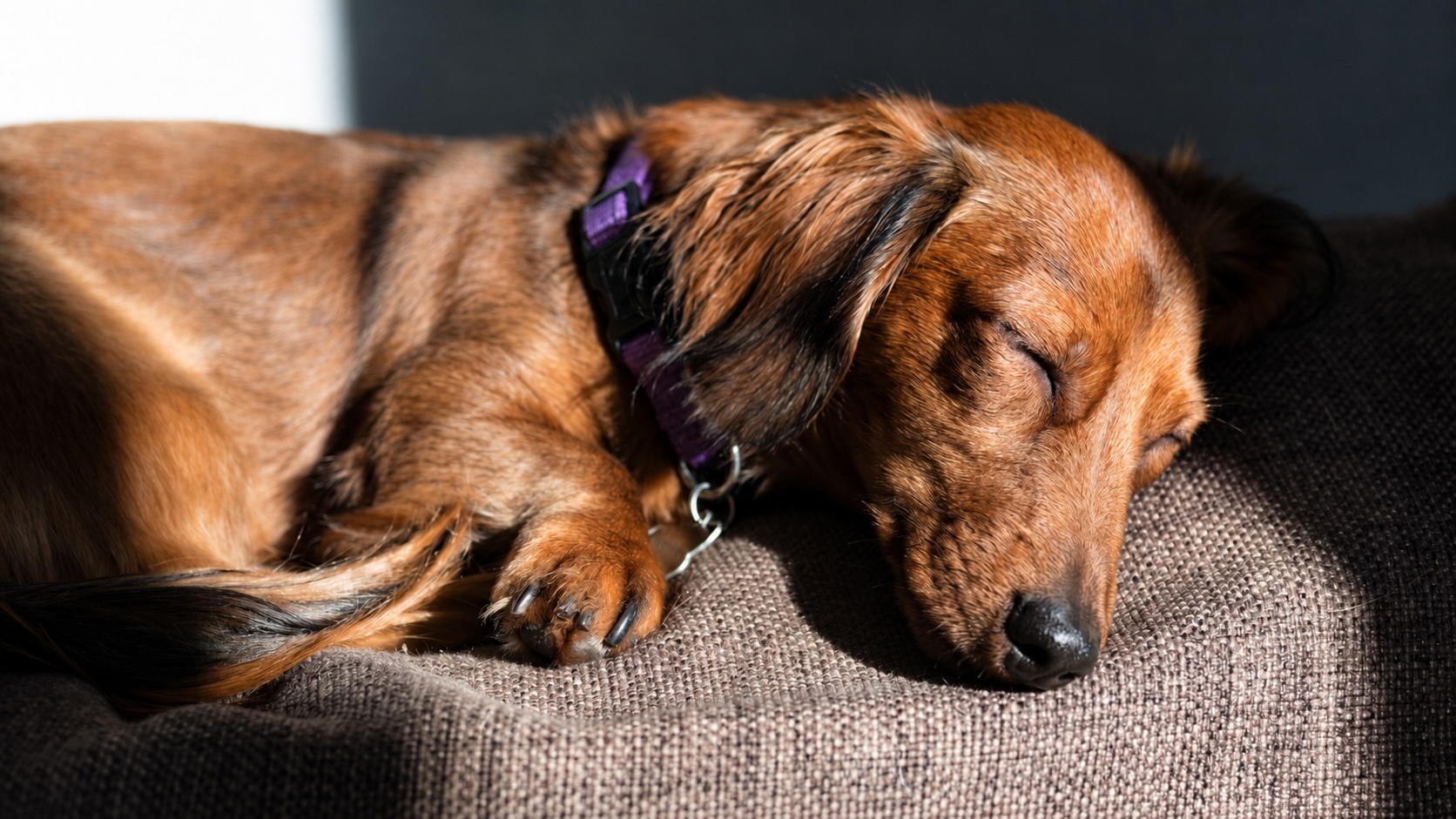
Miniature dachshunds are among the longest-lived dog breeds, with many reaching 14 to 17 years with proper care. Their longevity is one of the great gifts of owning one — and one of the great responsibilities, as these dogs become deeply woven into the fabric of a family over the years.
The most significant health concern for the breed is Intervertebral Disc Disease (IVDD). Because of their elongated spines, dachshunds carry a higher-than-average risk of disc herniation. This is why responsible ownership includes keeping them at a healthy weight, limiting jumping from furniture, and using ramps wherever possible.
Beyond IVDD, responsible breeders screen for Progressive Retinal Atrophy (PRA) and cardiac health. Dental care is important, as smaller dogs tend to be more prone to periodontal disease. Their ears, longer and lower to the ground, benefit from regular cleaning to prevent infection.
With thoughtful breeding practices, appropriate exercise, a healthy diet, and regular veterinary care, the miniature dachshund is a remarkably robust and resilient little companion for the long haul.